Steven Tee/Getty Images
F1 still ‘the ultimate challenge’ for a driver - Stella
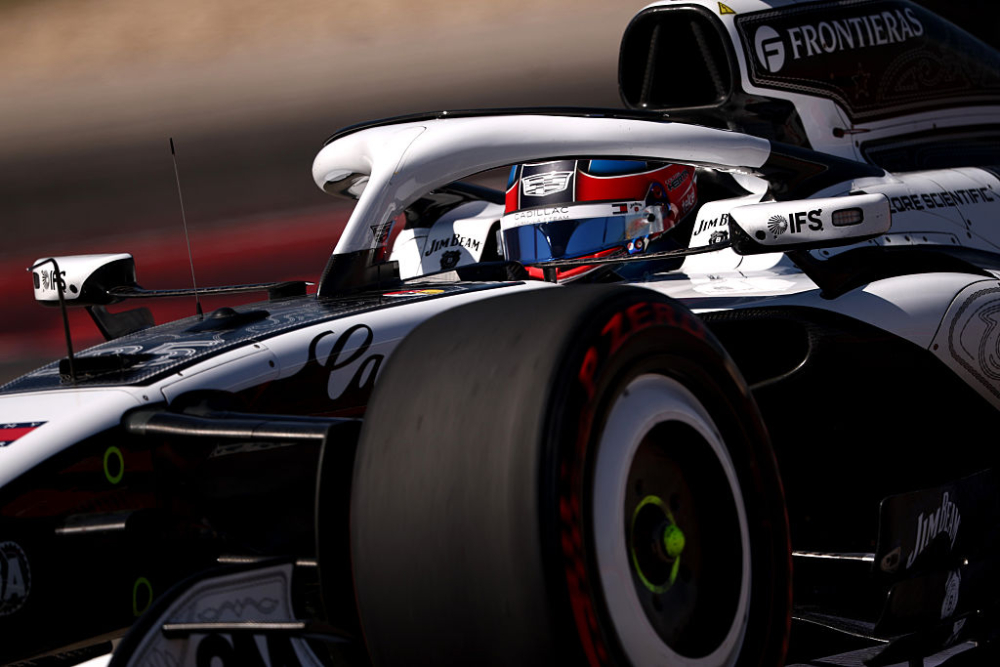
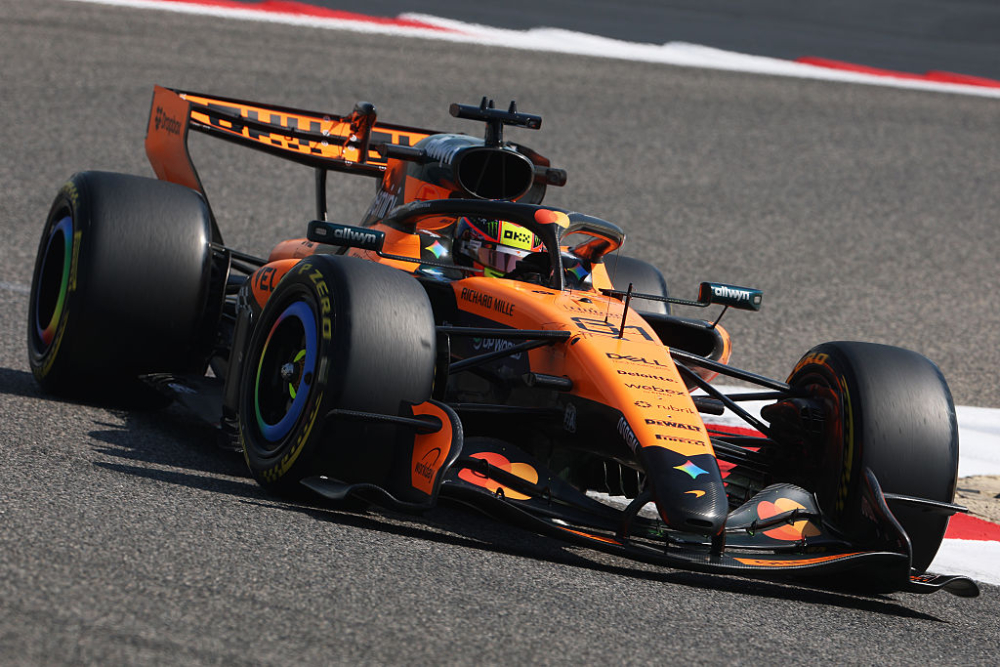
McLaren team principal Andrea Stella believes the signs from pre-season testing show that Formula 1 is still “the ultimate challenge” for a driver, despite the impact of new regulations.
A number of drivers voiced concerns relating to their enjoyment behind the wheel during the Bahrain tests, having also driven during a shakedown in Barcelona. The main areas of focus included not always getting full power through high-speed corners in order to recharge the battery, and downshifting unusually in order to harvest energy.
Stella says Bahrain actually allowed drivers to push for more of the lap than Barcelona did, and displayed how challenging the cars are to handle.
“I think what we have seen in Bahrain definitely confirms that it is the ultimate challenge,” Stella said. “Probably this is because Bahrain is an harvest-rich circuit, so you drive in a very normal way. And if anything, I have to say with these regulations, the cars slide quite a lot more and the role of the driver, if anything, is even more involved into extracting the most out of the car.
“Barcelona was a slightly different situation because being a relatively harvest-poor circuit, there were some special maneuvers that needed to be made, like not being flat out in high speed in order to balance the level of harvesting and produce the fastest lap time, which in Barcelona didn’t necessarily mean that you could be at the fastest speed in high speed.”
Given the difference in demands between Barcelona and Bahrain, Stella agrees that F1 should only consider changes to the way it allows electrical energy to be harvested and deployed once it has seen a greater sample set.
“We will have to see a few more circuits, I think, from this point of view,” said Stella. “I think these two circuits do not necessarily give the full picture. Definitely there could still be cases in which the driver needs to approach driving in what is not a common way of driving a car - [which is] just drive as flat as possible, brake as late as possible, go as fast as possible in every corner.
“But like I said, we will have to monitor the situation a bit. For us, what was important is that the safety concerns were addressed immediately. I think when it comes to improving the balance between the regulations in a way, in their current format, and some other driving challenges, there is time to fix this.
“For instance, there is a way of changing the way in which we deploy the electrical engine, such that this requirement to do these special maneuvers is reduced. So there are things that can be done in the future, but I think we should monitor [things] a little bit more in some other circuits.”
Chris Medland
While studying Sports Journalism at the University of Central Lancashire, Chris managed to talk his way into working at the British Grand Prix in 2008 and was retained for three years before joining ESPN F1 as Assistant Editor. After three further years at ESPN, a spell as F1 Editor at Crash Media Group was followed by the major task of launching F1i.com’s English-language website and running it as Editor. Present at every race since the start of 2014, he has continued building his freelance portfolio, working with international titles. As well as writing for RACER, his broadcast work includes television appearances on F1 TV and as a presenter and reporter on North America's live radio coverage on SiriusXM.
Read Chris Medland's articles
Latest News
Comments
Comments are disabled until you accept Social Networking Cookies. Update cookie preferences
If the dialog doesn't appear, ad-blockers are often the cause; try disabling yours or see our Social Features Support.